Greendale was built southwest of Milwaukee as one of three government-sponsored Greenbelt communities, alongside Greenbelt, Maryland and Greenhills, Ohio. Construction began in 1936 under the Resettlement Administration as part of President Franklin Roosevelt’s New Deal.
A village designed around daily life
The Greenbelt communities followed garden city planning ideas: homes, schools, parks, shops, and civic spaces were arranged so working families could walk through a connected village instead of relying on long trips for everyday needs.
The homes called “Originals”
Greendale’s original downtown included village hall, several businesses, and 366 new homes with 572 living units. Many of those early homes still stand today and are known locally as Greendale Originals. They are part of the village’s identity, with distinctive construction details, tile roofs on many homes, and unique chimney designs throughout the historic sections.
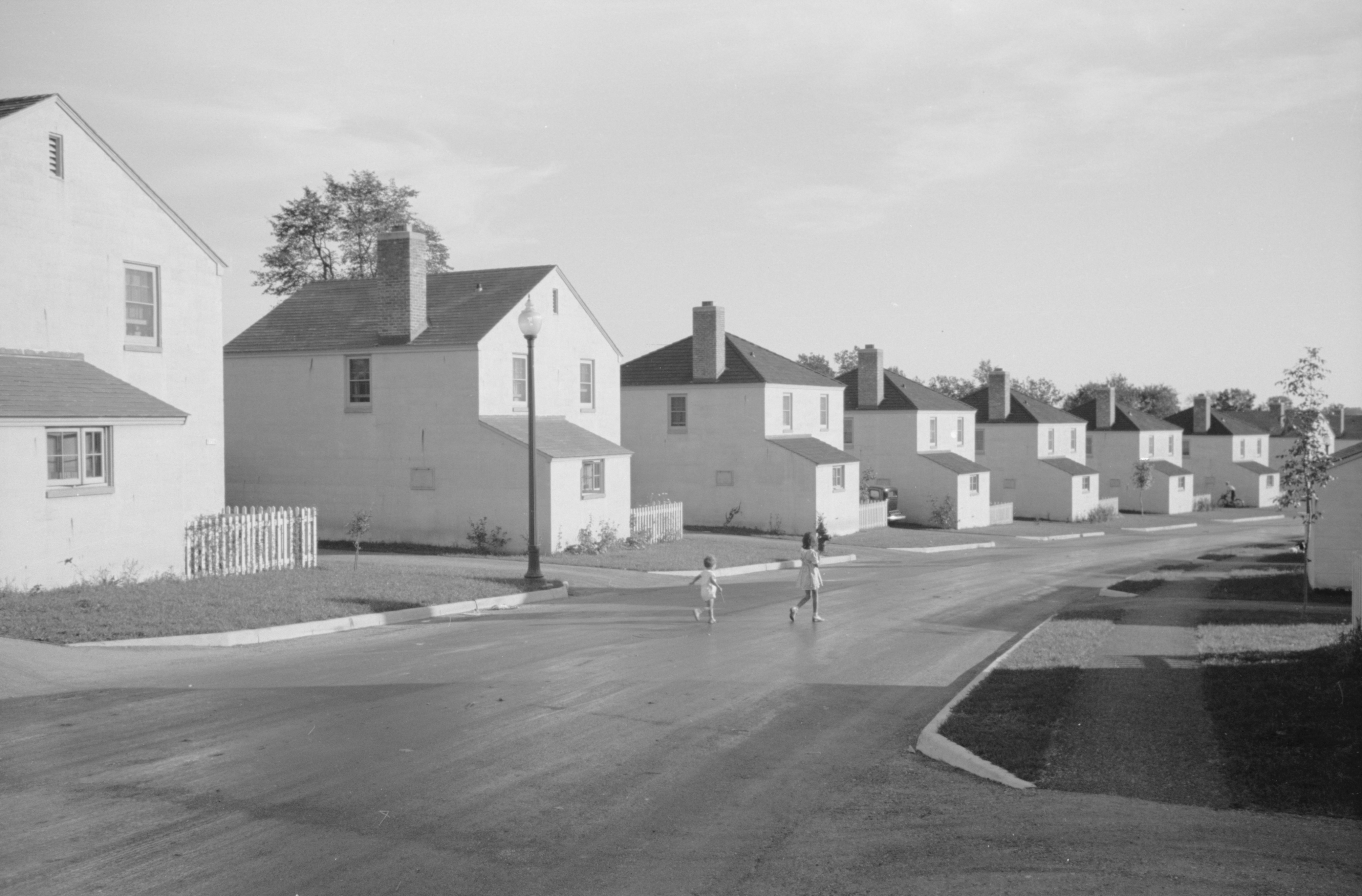
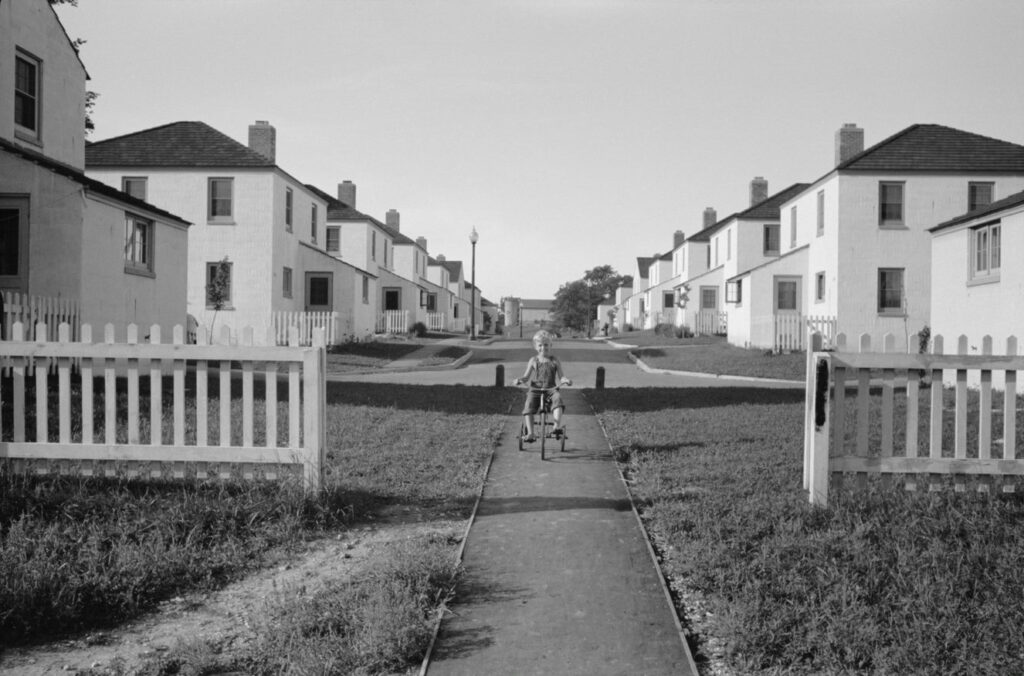
A National Historic Landmark community
The Greendale Historical Society describes Greendale as a place “where history comes to life” and highlights the village’s Greenbelt heritage as a National Historic Landmark. Their work preserves stories, homes, community projects, and local artifacts tied to the village’s founding era.
The society also shares practical restoration history, including information about original roof tiles and the ongoing care that helps keep Greendale’s historic character visible from block to block.
Why Panther Pub uses the line
“Originals Eat Here, Legends Stay for One More.” is a nod to the people, homes, and stories that make Greendale feel different. Panther Pub sits in a community shaped by local pride, long memories, and neighbors who know there is always room for one more round, one more meal, and one more story.
Learn more from the source article on Greendale, Wisconsin and the Greendale Historical Society.